- A Minimal OttoMagic Smoke Test
- Automating a Desktop App: Notepad++
- Automating a Login Flow with a Native Menu Selection
- Automating Microsoft Teams with Desktop Application Selectors
- Automating YouTube Studio: Navigating a Multi-Step Upload Dialog
- Behavior-Style Workflows with GPAL.Gherkin
- Building a Form: Controls, FillInFrom, and CallAfterFillIn
- Building a Live AI Summarizer Form
- Calling REST Endpoints with GPAL.RESTClient
- Casting a Tab or Desktop to a Network Device
- Chaining Browser Actions Through GPAL.RESTClient with AndThen
- Chaining Workflows: CallAfterFillIn and CallIfFound Together
- Clicking a Captcha with a GPALForm and Hardware Input
- Cross-Site Workflow: Find a Book, Then Search for It Elsewhere
- Downloading and Patching a Browser Driver Automatically
- Downloading Files with a Right-Click
- Drag and Drop with Image-Based Selectors
- Driving a Browser Directly with PuppeteerClient
- Driving a Live Browser Through GPAL.OttoMagicClient
- Driving a Search Box from a GPALFile of Search Terms
- Driving a Search Form from a Database Table
- Driving Native Dropdown Menus with SelectClick
- Driving Native Dropdowns with SelectClick
- Driving the Browser Through the REST Client
- Dropping Down to PuppeteerCommunicator: Raw Chrome DevTools Commands
- Encryption, Hashing, and Signing with GPAL Cryptography
- Filling In Special-Format Inputs: Color, Date, Time, and More
- GPALConverter: Moving Data Between CSV, JSON, XML, YAML, and Classes
- Handling Cookie Banners and Popups with Persistent Selectors
- Image Matching and Selectors Inside Iframes
- Inside the GPAL REST API Server (OttoMagic's Backend)
- Launching Chrome with a Real Browser Profile
- Layer-by-Layer: Click, Fill In, and Read
- Left Click and Upload: Driving a File Picker
- Left-Click and Download a File
- Logging to a Database and Sending Email with GPAL
- Pacing a Workflow with WaitFor
- Paging with Workflows: While and Until
- Reading, Writing, and Clearing Browser Storage
- Reading, Writing, and Formatting Google Sheets
- Recording and Replaying a Selector Sequence
- Searching the Web with GPAL.GoogleDorking
- Talking to an OpenAPI-Described Service
- Testing Stealth Against Anti-Bot Detection Sites
- Walking Sitemaps and Capturing Page Digests
- Working with Spreadsheets: GPAL.Excel End to End
Tutorials
Driving Native Dropdowns with SelectClick
Native HTML select elements don't behave like ordinary clickable elements. SelectClick gives GPAL a vocabulary for them - left-click an option, jump to the next or previous option, wrap around at the ends, or pick at random - and WithHardware drives the dropdown the way a real user would, with actual OS-level input.
Complete Program
This example targets a native select element on a category-navigation menu, then runs through the SelectClick vocabulary: an initial left-click on a known option, a random pick, stepping to the next and previous options, and wrapping around at the top and bottom of the list.
using GenerallyPositive;
using GenerallyPositive.Browser;
using static GenerallyPositive.Enums;
Selector categorySelector = GPAL.Selector
.WithCSS("#category-menu > option:nth-child(36)")
.WithHardware
.WithSelectorName("Category Menu Option")
.ToGPALObject();
GPAL
.WithAutoUpdateWebDriver();
IBrowser browser = GPAL.Browser
.WithBrowserType(BrowserType.Chrome)
.WithDriverLocation(@"c:drivers")
.ToGPALObject();
browser.GoTo("https://www.example-shop.com/");
browser
.WithSelector(categorySelector)
.SelectClick(SelectClickType.LeftClick)
.WaitFor(5_000);
browser
.SelectClick(SelectClickType.SelectRandom)
.WaitFor(5_000);
browser
.SelectClick(SelectClickType.SelectNext)
.WaitFor(5_000);
browser
.SelectClick(SelectClickType.SelectPrevious)
.WaitFor(5_000);
browser
.LeftClick(categorySelector)
.WaitFor(5_000)
.SelectClick(SelectClickType.SelectNextWithWrap)
.WaitFor(5_000)
.SelectClick(SelectClickType.SelectPreviousWithWrap)
.WaitFor(5_000);
browser.Close(true);
Hardware-Level Selectors for Native Controls
WithHardware tells GPAL to interact with this element through OS-level input (real mouse and keyboard events) rather than Selenium's normal element interaction. Native select dropdowns render their open option list outside the regular DOM in many browsers, so Selenium and JavaScript-based clicks can report success while the visible menu doesn't actually change - hardware interaction matches what a real user does and reliably opens and changes the selection.
Selector categorySelector = GPAL.Selector
.WithCSS("#category-menu > option:nth-child(36)")
.WithHardware
.WithSelectorName("Category Menu Option")
.ToGPALObject();
With a native select, Selenium and JavaScript clicks may report the option as selected internally without the on-screen menu reflecting it, while hardware emulation reflects exactly what a user would see. When a select interaction looks like it worked but the page doesn't react, try WithHardware.
LeftClick Opens the Menu and Picks the Option
The first SelectClick(SelectClickType.LeftClick) opens the dropdown and clicks the targeted option, just like a user clicking the menu and then clicking an entry. WaitFor afterward gives the page time to react to the navigation that follows.
browser
.WithSelector(categorySelector)
.SelectClick(SelectClickType.LeftClick)
.WaitFor(5_000);
Stepping Through Options: Random, Next, Previous
Once a select element is the active selector, further SelectClick calls reuse it. SelectRandom picks any option in the list; SelectNext and SelectPrevious move one option at a time relative to whatever is currently selected.
browser
.SelectClick(SelectClickType.SelectRandom)
.WaitFor(5_000);
browser
.SelectClick(SelectClickType.SelectNext)
.WaitFor(5_000);
browser
.SelectClick(SelectClickType.SelectPrevious)
.WaitFor(5_000);
Wrapping Around the Ends of the List
SelectNextWithWrap and SelectPreviousWithWrap behave like SelectNext and SelectPrevious, except that stepping past the last option wraps to the first, and stepping before the first wraps to the last. LeftClick(categorySelector) re-establishes a known starting option before the wrap demonstration.
browser
.LeftClick(categorySelector)
.WaitFor(5_000)
.SelectClick(SelectClickType.SelectNextWithWrap)
.WaitFor(5_000)
.SelectClick(SelectClickType.SelectPreviousWithWrap)
.WaitFor(5_000);
browser.Close(true);
Passing true kills the running web driver process. The actual test program in the repo loops over every BrowserType, AutomationEngine, and headless/headful combination for regression purposes (see Automation Engines) - in real workflows you only need the single pass shown here.
Documentation Example
Documentation
Showing off some plain text in these paragraphs eligendi laboriosam illo nostrum corporis at libero vel voluptas? Expedita, facere dolores voluptatem ad ab rem assumenda soluta!
Lorem ipsum dolor sit amet consectetur adipisicing elit. Obcaecati, iste distinctio veritatis eligendi laboriosam illo nostrum corporis at libero vel voluptas? Expedita, facere dolores voluptatem ad ab rem assumenda soluta!
Lorem ipsum dolor sit amet consectetur adipisicing elit. Obcaecati, iste distinctio veritatis eligendi laboriosam illo nostrum corporis at libero vel voluptas? Expedita, facere dolores voluptatem ad ab rem assumenda soluta!
Category
-
Endpoint
Lorem ipsum dolor sit amet consectetur adipisicing elit. Quo veniam mollitia excepturi animi eum illum non libero sapiente provident assumenda, delectus voluptatum nobis sed dolorem adipisci laudantium incidunt. Error, ratione?
-
Enpoint
Lorem ipsum dolor sit amet consectetur adipisicing elit. Quo veniam mollitia excepturi animi eum illum non libero sapiente provident assumenda, delectus voluptatum nobis sed dolorem adipisci laudantium incidunt. Error, ratione?
-
Enpoint
Lorem ipsum dolor sit amet consectetur adipisicing elit. Quo veniam mollitia excepturi animi eum illum non libero sapiente provident assumenda, delectus voluptatum nobis sed dolorem adipisci laudantium incidunt. Error, ratione?
-
Enpoint
Lorem ipsum dolor sit amet consectetur adipisicing elit. Quo veniam mollitia excepturi animi eum illum non libero sapiente provident assumenda, delectus voluptatum nobis sed dolorem adipisci laudantium incidunt. Error, ratione?
Other formats
Here you can find different accents and emphasis sit amet consectetur adipisicing elit. Obcaecati, iste distinctio veritatis eligendi laboriosam illo nostrum corporis at libero vel voluptas? Expedita, facere dolores voluptatem ad ab rem assumenda soluta!
This is a link and how it could look like bestlinkinthebeautifulworld. Obcaecati, iste distinctio veritatis eligendi laboriosam illo nostrum corporis at libero vel voluptas? Expedita, facere dolores voluptatem ad ab rem assumenda soluta!
Here's just some classic bold text adipisicing elit. Obcaecati, iste distinctio veritatis eligendi laboriosam notBoldSecondbestlinkinthebeautifulworld illo nostrum corporis at libero vel voluptas? Expedita, facere dolores voluptatem ad ab rem assumenda soluta!
Obcaecati, iste distinctio veritatis eligendi laboriosam adipisicing elit illo nostrum corporis at adipisicing elit libero vel voluptas? Expedita, adipisicing facere dolores voluptatem ad ab rem assumenda soluta!
Other cuple of colors in case we want to emphasize several ways adipisicing elit. Obcaecati, iste distinctio veritatis eligendi laboriosam adipisicing elit illo nostrum corporis at voluptatem libero vel voluptas? Expedita, facere dolores voluptatem ad ab rem assumenda soluta!
Adding Images to the content
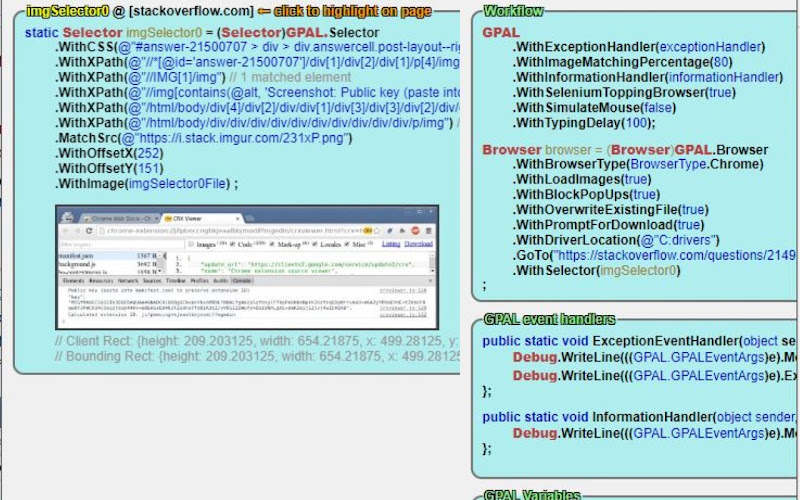
Lorem ipsum dolor sit amet consectetur adipisicing elit. Obcaecati, iste distinctio veritatis eligendi laboriosam illo nostrum corporis at libero vel voluptas? Expedita, facere dolores voluptatem ad ab rem assumenda soluta!
Lorem ipsum dolor, sit amet consectetur adipisicing elit. Quod veniam, quam ad expedita laborum sed at voluptates culpa ipsam ut vel. Ullam temporibus a mollitia quod aliquam ratione exercitationem nesciunt.
Lorem ipsum dolor sit amet consectetur adipisicing elit. Obcaecati, iste distinctio veritatis eligendi laboriosam illo nostrum corporis at libero vel voluptas? Expedita, facere dolores voluptatem ad ab rem assumenda soluta!
Lorem ipsum dolor, sit amet consectetur adipisicing elit. Quod veniam, quam ad expedita laborum sed at voluptates culpa ipsam ut vel. Ullam temporibus a mollitia quod aliquam ratione exercitationem nesciunt.
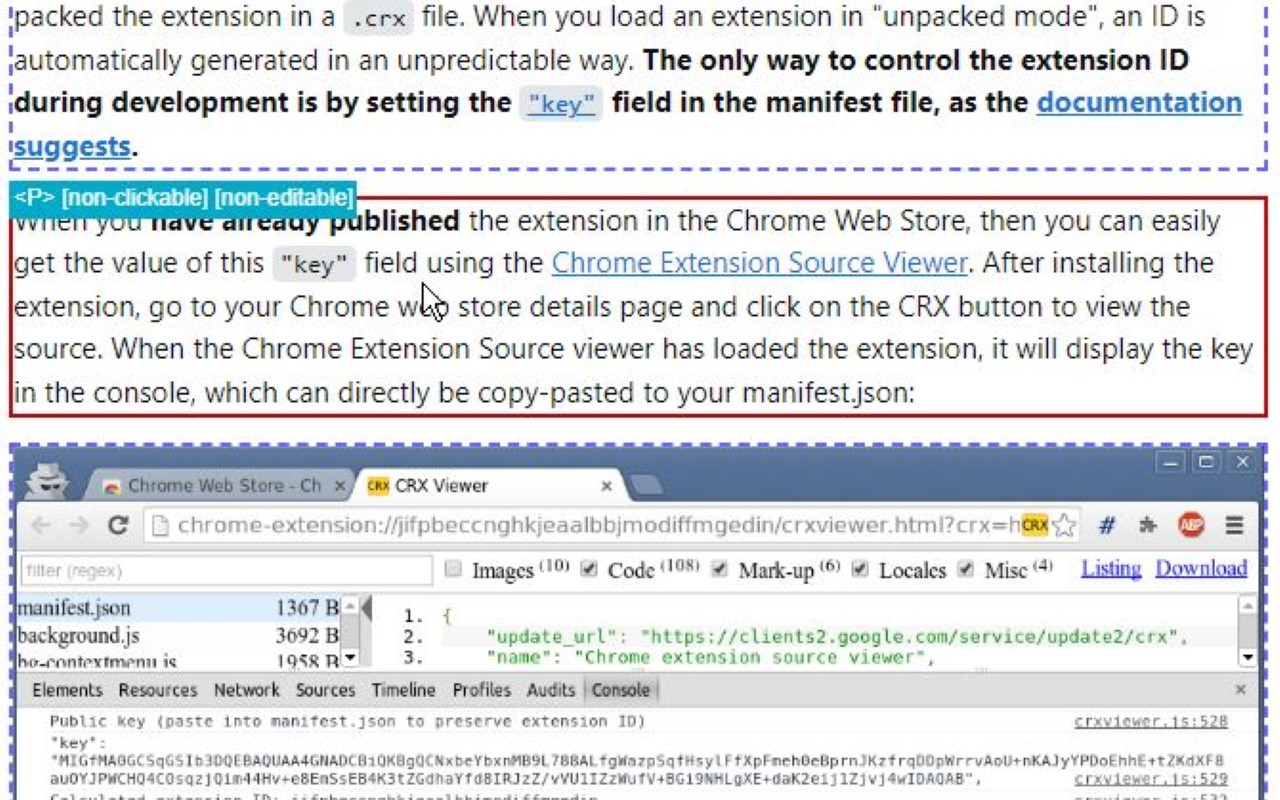
Lorem ipsum dolor sit amet consectetur adipisicing elit. Obcaecati, iste distinctio veritatis eligendi laboriosam illo nostrum corporis at libero vel voluptas? Expedita, facere dolores voluptatem ad ab rem assumenda soluta!
Coding Blocks
Lorem ipsum dolor sit amet consectetur adipisicing elit. Repudiandae quas consequuntur illo numquam assumenda autem exercitationem distinctio perspiciatis in natus. Eius dicta similique ipsam ipsa minima, nemo quae enim tempore.
GPAL
.CallIfNotFound(GenericCallIfNotFound)
.WithPublishToConsole();
//System.Drawing.Rectangle windowSize = new System.Drawing.Rectangle(10, 10, 1500, 1024);
// NOTE: we have to set browser = before we execute any steps
// this is due to the 'GenericCallIfNotFound' which might throw an exception, and BankScraper will not have the browser set when it calls scraper.Close()
// until the complete fluent line gets executed (meaning every step, meaning browser is not set until everything else succeeds)
browser = GPAL.Browser
.WithBrowserType(Enums.BrowserType.Chrome)
.WithProfileDataDirectory(ChromeProfileLocation)
.WithUseAutomationEngine(AutomationEngine.Selenium)
.WithWindowSize(new System.Drawing.Rectangle(0,0,1920,1080))
.ToGPALObject();
Documentation
Showing off some plain text in these paragraphs eligendi laboriosam illo nostrum corporis at libero vel voluptas? Expedita, facere dolores voluptatem ad ab rem assumenda soluta!
Lorem ipsum dolor sit amet consectetur adipisicing elit. Obcaecati, iste distinctio veritatis eligendi laboriosam illo nostrum corporis at libero vel voluptas? Expedita, facere dolores voluptatem ad ab rem assumenda soluta!
Lorem ipsum dolor sit amet consectetur adipisicing elit. Obcaecati, iste distinctio veritatis eligendi laboriosam illo nostrum corporis at libero vel voluptas? Expedita, facere dolores voluptatem ad ab rem assumenda soluta!
Category
-
Endpoint
Lorem ipsum dolor sit amet consectetur adipisicing elit. Quo veniam mollitia excepturi animi eum illum non libero sapiente provident assumenda, delectus voluptatum nobis sed dolorem adipisci laudantium incidunt. Error, ratione?
-
Enpoint
Lorem ipsum dolor sit amet consectetur adipisicing elit. Quo veniam mollitia excepturi animi eum illum non libero sapiente provident assumenda, delectus voluptatum nobis sed dolorem adipisci laudantium incidunt. Error, ratione?
-
Enpoint
Lorem ipsum dolor sit amet consectetur adipisicing elit. Quo veniam mollitia excepturi animi eum illum non libero sapiente provident assumenda, delectus voluptatum nobis sed dolorem adipisci laudantium incidunt. Error, ratione?
-
Enpoint
Lorem ipsum dolor sit amet consectetur adipisicing elit. Quo veniam mollitia excepturi animi eum illum non libero sapiente provident assumenda, delectus voluptatum nobis sed dolorem adipisci laudantium incidunt. Error, ratione?
Other formats
Here you can find different accents and emphasis sit amet consectetur adipisicing elit. Obcaecati, iste distinctio veritatis eligendi laboriosam illo nostrum corporis at libero vel voluptas? Expedita, facere dolores voluptatem ad ab rem assumenda soluta!
This is a link and how it could look like bestlinkinthebeautifulworld. Obcaecati, iste distinctio veritatis eligendi laboriosam illo nostrum corporis at libero vel voluptas? Expedita, facere dolores voluptatem ad ab rem assumenda soluta!
Here's just some classic bold text adipisicing elit. Obcaecati, iste distinctio veritatis eligendi laboriosam notBoldSecondbestlinkinthebeautifulworld illo nostrum corporis at libero vel voluptas? Expedita, facere dolores voluptatem ad ab rem assumenda soluta!
Obcaecati, iste distinctio veritatis eligendi laboriosam adipisicing elit illo nostrum corporis at adipisicing elit libero vel voluptas? Expedita, adipisicing facere dolores voluptatem ad ab rem assumenda soluta!
Other cuple of colors in case we want to emphasize several ways adipisicing elit. Obcaecati, iste distinctio veritatis eligendi laboriosam adipisicing elit illo nostrum corporis at voluptatem libero vel voluptas? Expedita, facere dolores voluptatem ad ab rem assumenda soluta!
Adding Images to the content
Lorem ipsum dolor sit amet consectetur adipisicing elit. Obcaecati, iste distinctio veritatis eligendi laboriosam illo nostrum corporis at libero vel voluptas? Expedita, facere dolores voluptatem ad ab rem assumenda soluta! Lorem ipsum dolor, sit amet consectetur adipisicing elit. Quod veniam, quam ad expedita laborum sed at voluptates culpa ipsam ut vel. Ullam temporibus a mollitia quod aliquam ratione exercitationem nesciunt.
Lorem ipsum dolor sit amet consectetur adipisicing elit. Obcaecati, iste distinctio veritatis eligendi laboriosam illo nostrum corporis at libero vel voluptas? Expedita, facere dolores voluptatem ad ab rem assumenda soluta! Lorem ipsum dolor, sit amet consectetur adipisicing elit. Quod veniam, quam ad expedita laborum sed at voluptates culpa ipsam ut vel. Ullam temporibus a mollitia quod aliquam ratione exercitationem nesciunt.
Lorem ipsum dolor sit amet consectetur adipisicing elit. Obcaecati, iste distinctio veritatis eligendi laboriosam illo nostrum corporis at libero vel voluptas? Expedita, facere dolores voluptatem ad ab rem assumenda soluta!
Coding Blocks
Lorem ipsum dolor sit amet consectetur adipisicing elit. Repudiandae quas consequuntur illo numquam assumenda autem exercitationem distinctio perspiciatis in natus. Eius dicta similique ipsam ipsa minima, nemo quae enim tempore.
GPAL
.CallIfNotFound(GenericCallIfNotFound)
.WithPublishToConsole();
//System.Drawing.Rectangle windowSize = new System.Drawing.Rectangle(10, 10, 1500, 1024);
// NOTE: we have to set browser = before we execute any steps
// this is due to the 'GenericCallIfNotFound' which might throw an exception, and BankScraper will not have the browser set when it calls scraper.Close()
// until the complete fluent line gets executed (meaning every step, meaning browser is not set until everything else succeeds)
browser = GPAL.Browser
.WithBrowserType(Enums.BrowserType.Chrome)
.WithProfileDataDirectory(ChromeProfileLocation)
.WithUseAutomationEngine(AutomationEngine.Selenium)
.WithWindowSize(new System.Drawing.Rectangle(0,0,1920,1080))
.ToGPALObject();