- A Minimal OttoMagic Smoke Test
- Automating a Desktop App: Notepad++
- Automating a Login Flow with a Native Menu Selection
- Automating Microsoft Teams with Desktop Application Selectors
- Automating YouTube Studio: Navigating a Multi-Step Upload Dialog
- Behavior-Style Workflows with GPAL.Gherkin
- Building a Form: Controls, FillInFrom, and CallAfterFillIn
- Building a Live AI Summarizer Form
- Calling REST Endpoints with GPAL.RESTClient
- Casting a Tab or Desktop to a Network Device
- Chaining Browser Actions Through GPAL.RESTClient with AndThen
- Chaining Workflows: CallAfterFillIn and CallIfFound Together
- Clicking a Captcha with a GPALForm and Hardware Input
- Cross-Site Workflow: Find a Book, Then Search for It Elsewhere
- Downloading and Patching a Browser Driver Automatically
- Downloading Files with a Right-Click
- Drag and Drop with Image-Based Selectors
- Driving a Browser Directly with PuppeteerClient
- Driving a Live Browser Through GPAL.OttoMagicClient
- Driving a Search Box from a GPALFile of Search Terms
- Driving a Search Form from a Database Table
- Driving Native Dropdown Menus with SelectClick
- Driving Native Dropdowns with SelectClick
- Driving the Browser Through the REST Client
- Dropping Down to PuppeteerCommunicator: Raw Chrome DevTools Commands
- Encryption, Hashing, and Signing with GPAL Cryptography
- Filling In Special-Format Inputs: Color, Date, Time, and More
- GPALConverter: Moving Data Between CSV, JSON, XML, YAML, and Classes
- Handling Cookie Banners and Popups with Persistent Selectors
- Image Matching and Selectors Inside Iframes
- Inside the GPAL REST API Server (OttoMagic's Backend)
- Launching Chrome with a Real Browser Profile
- Layer-by-Layer: Click, Fill In, and Read
- Left Click and Upload: Driving a File Picker
- Left-Click and Download a File
- Logging to a Database and Sending Email with GPAL
- Pacing a Workflow with WaitFor
- Paging with Workflows: While and Until
- Reading, Writing, and Clearing Browser Storage
- Reading, Writing, and Formatting Google Sheets
- Recording and Replaying a Selector Sequence
- Searching the Web with GPAL.GoogleDorking
- Talking to an OpenAPI-Described Service
- Testing Stealth Against Anti-Bot Detection Sites
- Walking Sitemaps and Capturing Page Digests
- Working with Spreadsheets: GPAL.Excel End to End
Tutorials
Reading, Writing, and Clearing Browser Storage
GPALUrl carries storage definitions - cookies, localStorage, sessionStorage, cache, and indexedDb - that you describe up front with WithStorageType and friends, then execute against the active browser with RunGet, RunSet, and RunDelete. This tutorial walks a cookie and a localStorage entry through a full get/set/delete cycle, then shows how the same verbs extend to indexedDb.
Complete Program
Here's the whole workflow, start to finish. Each piece is broken down and explained below.
using GenerallyPositive;
using GenerallyPositive.Browser;
using static GenerallyPositive.Enums;
GPAL
.WithPublishToConsole()
.WithDriverLocation(@"C:drivers")
.WithUseOttoMagic(@"C:OttoMagic");
IBrowser browser = GPAL.Browser
.WithBrowserType(BrowserType.Chrome)
.WithUseAutomationEngine(AutomationEngine.OttoMagic)
.ToGPALObject();
GPALUrl youtubeUrl = "www.youtube.com";
youtubeUrl.WithStorageType(WebsiteStorageType.cookie).WithStorageDomain("youtube.com").WithStorageKey("VISITOR_PRIVACY_METADATA");
youtubeUrl.WithStorageType(WebsiteStorageType.localStorage).WithStorageKey("ytidb::LAST_RESULT_ENTRY_KEY");
browser.GoTo(youtubeUrl).WaitFor(3_000);
string outData;
browser
.WithStorageDomain("youtube.com")
.WithStorageKey("VISITOR_PRIVACY_METADATA")
.RunGet(WebsiteStorageType.cookie)
.GetStorageData(out outData);
browser
.WithStorageDomain("youtube.com")
.WithStorageKey("VISITOR_PRIVACY_METADATA")
.WithStorageData("hello there")
.RunSet(WebsiteStorageType.cookie);
browser
.WithStorageDomain("youtube.com")
.WithStorageKey("VISITOR_PRIVACY_METADATA")
.RunDelete(WebsiteStorageType.cookie);
browser
.WithStorageKey("ytidb::LAST_RESULT_ENTRY_KEY")
.RunGet(WebsiteStorageType.localStorage)
.GetStorageData(out outData);
browser
.WithStorageKey("ytidb::LAST_RESULT_ENTRY_KEY")
.WithStorageData("{"data":{"hasSucceededOnce":false}}")
.RunSet(WebsiteStorageType.localStorage);
browser
.WithStorageKey("ytidb::LAST_RESULT_ENTRY_KEY")
.RunDelete(WebsiteStorageType.localStorage);
browser.Close(true);
GPALUrl Carries Storage Definitions
youtubeUrl is a GPALUrl - assign it from a string and it reads like one, but it can also carry storage definitions you attach before ever navigating. Each WithStorageType call describes what to look at later: a cookie named VISITOR_PRIVACY_METADATA on youtube.com, and a localStorage entry named ytidb::LAST_RESULT_ENTRY_KEY. Neither line performs an action yet - they just describe targets.
GPALUrl youtubeUrl = "www.youtube.com";
youtubeUrl.WithStorageType(WebsiteStorageType.cookie).WithStorageDomain("youtube.com").WithStorageKey("VISITOR_PRIVACY_METADATA");
youtubeUrl.WithStorageType(WebsiteStorageType.localStorage).WithStorageKey("ytidb::LAST_RESULT_ENTRY_KEY");
browser.GoTo(youtubeUrl).WaitFor(3_000);
Once you GoTo (or Get) a GPALUrl, it becomes the browser's active URL - and the storage definitions attached to it are what RunGet, RunSet, and RunDelete operate against for the rest of the workflow. See Value Objects: More Than a String.
RunGet Reads, GetStorageData Retrieves It
WithStorageDomain and WithStorageKey narrow which definition to act on - useful once a URL has more than one. RunGet(cookie) executes the read against the live browser, and GetStorageData(out outData) copies the result into a variable you can use however you like.
browser
.WithStorageDomain("youtube.com")
.WithStorageKey("VISITOR_PRIVACY_METADATA")
.RunGet(WebsiteStorageType.cookie)
.GetStorageData(out outData);
RunSet Writes, RunDelete Clears
RunSet and RunDelete follow the same shape as RunGet: set up the With* parameters that identify what you're targeting, supply WithStorageData for a write, then call the Run* verb for the storage type you're working with.
browser
.WithStorageDomain("youtube.com")
.WithStorageKey("VISITOR_PRIVACY_METADATA")
.WithStorageData("hello there")
.RunSet(WebsiteStorageType.cookie);
browser
.WithStorageDomain("youtube.com")
.WithStorageKey("VISITOR_PRIVACY_METADATA")
.RunDelete(WebsiteStorageType.cookie);
Once a RunGet, RunSet, or RunDelete call executes, the With* parameters that scoped it are cleared. If your next Run* call needs the same domain, key, path, or store name, set them again with With* first - otherwise that call falls back to its broadest scope.
The Same Verbs Reach indexedDb Too
WebsiteStorageType has five values - cookie, localStorage, sessionStorage, cache, and indexedDb - and all five use the same WithStorageType / RunGet / RunSet / RunDelete / GetStorageData verbs. cache and indexedDb add WithStorageStoreName (and, for indexedDb, WithStoragePath for the database name) to address a specific store inside the browser's structured storage, but the pattern doesn't change.
youtubeUrl.WithStorageType(WebsiteStorageType.indexedDb)
.WithStoragePath("YtIdbMeta") // database name
.WithStorageStoreName("databases") // object store within that database
.WithStorageKey("ServiceWorkerLogsDatabase");
browser
.WithStoragePath("YtIdbMeta")
.WithStorageStoreName("databases")
.WithStorageKey("ServiceWorkerLogsDatabase")
.RunGet(WebsiteStorageType.indexedDb)
.GetStorageData(out outData);
Whether you're clearing a single cookie or reading an entry out of a nested indexedDb object store, the workflow is always: describe it with WithStorageType and its With* parameters, then act on it with RunGet, RunSet, or RunDelete.
Documentation Example
Documentation
Showing off some plain text in these paragraphs eligendi laboriosam illo nostrum corporis at libero vel voluptas? Expedita, facere dolores voluptatem ad ab rem assumenda soluta!
Lorem ipsum dolor sit amet consectetur adipisicing elit. Obcaecati, iste distinctio veritatis eligendi laboriosam illo nostrum corporis at libero vel voluptas? Expedita, facere dolores voluptatem ad ab rem assumenda soluta!
Lorem ipsum dolor sit amet consectetur adipisicing elit. Obcaecati, iste distinctio veritatis eligendi laboriosam illo nostrum corporis at libero vel voluptas? Expedita, facere dolores voluptatem ad ab rem assumenda soluta!
Category
-
Endpoint
Lorem ipsum dolor sit amet consectetur adipisicing elit. Quo veniam mollitia excepturi animi eum illum non libero sapiente provident assumenda, delectus voluptatum nobis sed dolorem adipisci laudantium incidunt. Error, ratione?
-
Enpoint
Lorem ipsum dolor sit amet consectetur adipisicing elit. Quo veniam mollitia excepturi animi eum illum non libero sapiente provident assumenda, delectus voluptatum nobis sed dolorem adipisci laudantium incidunt. Error, ratione?
-
Enpoint
Lorem ipsum dolor sit amet consectetur adipisicing elit. Quo veniam mollitia excepturi animi eum illum non libero sapiente provident assumenda, delectus voluptatum nobis sed dolorem adipisci laudantium incidunt. Error, ratione?
-
Enpoint
Lorem ipsum dolor sit amet consectetur adipisicing elit. Quo veniam mollitia excepturi animi eum illum non libero sapiente provident assumenda, delectus voluptatum nobis sed dolorem adipisci laudantium incidunt. Error, ratione?
Other formats
Here you can find different accents and emphasis sit amet consectetur adipisicing elit. Obcaecati, iste distinctio veritatis eligendi laboriosam illo nostrum corporis at libero vel voluptas? Expedita, facere dolores voluptatem ad ab rem assumenda soluta!
This is a link and how it could look like bestlinkinthebeautifulworld. Obcaecati, iste distinctio veritatis eligendi laboriosam illo nostrum corporis at libero vel voluptas? Expedita, facere dolores voluptatem ad ab rem assumenda soluta!
Here's just some classic bold text adipisicing elit. Obcaecati, iste distinctio veritatis eligendi laboriosam notBoldSecondbestlinkinthebeautifulworld illo nostrum corporis at libero vel voluptas? Expedita, facere dolores voluptatem ad ab rem assumenda soluta!
Obcaecati, iste distinctio veritatis eligendi laboriosam adipisicing elit illo nostrum corporis at adipisicing elit libero vel voluptas? Expedita, adipisicing facere dolores voluptatem ad ab rem assumenda soluta!
Other cuple of colors in case we want to emphasize several ways adipisicing elit. Obcaecati, iste distinctio veritatis eligendi laboriosam adipisicing elit illo nostrum corporis at voluptatem libero vel voluptas? Expedita, facere dolores voluptatem ad ab rem assumenda soluta!
Adding Images to the content
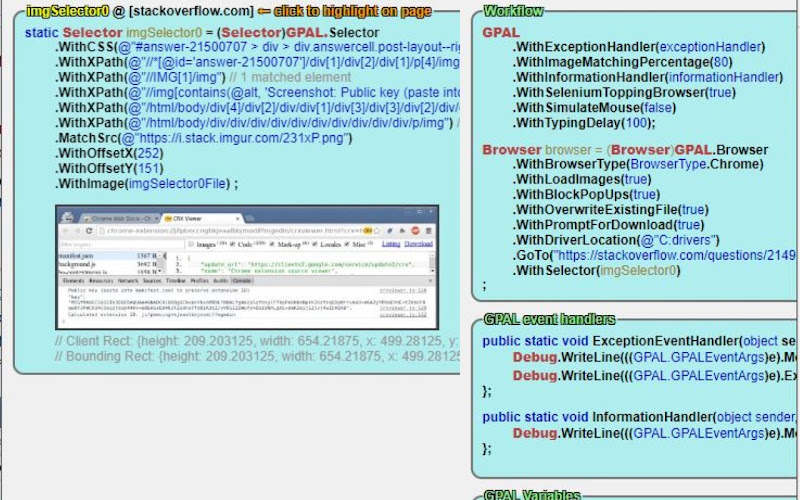
Lorem ipsum dolor sit amet consectetur adipisicing elit. Obcaecati, iste distinctio veritatis eligendi laboriosam illo nostrum corporis at libero vel voluptas? Expedita, facere dolores voluptatem ad ab rem assumenda soluta!
Lorem ipsum dolor, sit amet consectetur adipisicing elit. Quod veniam, quam ad expedita laborum sed at voluptates culpa ipsam ut vel. Ullam temporibus a mollitia quod aliquam ratione exercitationem nesciunt.
Lorem ipsum dolor sit amet consectetur adipisicing elit. Obcaecati, iste distinctio veritatis eligendi laboriosam illo nostrum corporis at libero vel voluptas? Expedita, facere dolores voluptatem ad ab rem assumenda soluta!
Lorem ipsum dolor, sit amet consectetur adipisicing elit. Quod veniam, quam ad expedita laborum sed at voluptates culpa ipsam ut vel. Ullam temporibus a mollitia quod aliquam ratione exercitationem nesciunt.
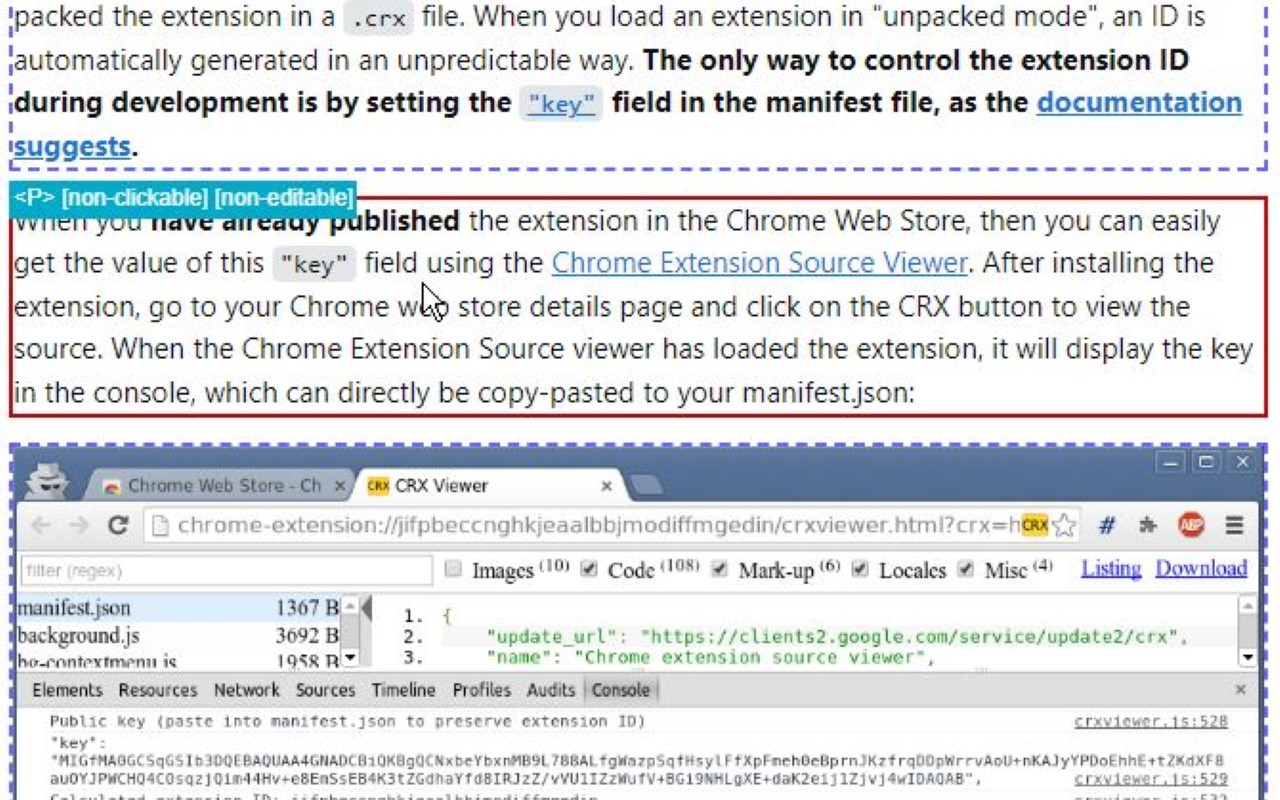
Lorem ipsum dolor sit amet consectetur adipisicing elit. Obcaecati, iste distinctio veritatis eligendi laboriosam illo nostrum corporis at libero vel voluptas? Expedita, facere dolores voluptatem ad ab rem assumenda soluta!
Coding Blocks
Lorem ipsum dolor sit amet consectetur adipisicing elit. Repudiandae quas consequuntur illo numquam assumenda autem exercitationem distinctio perspiciatis in natus. Eius dicta similique ipsam ipsa minima, nemo quae enim tempore.
GPAL
.CallIfNotFound(GenericCallIfNotFound)
.WithPublishToConsole();
//System.Drawing.Rectangle windowSize = new System.Drawing.Rectangle(10, 10, 1500, 1024);
// NOTE: we have to set browser = before we execute any steps
// this is due to the 'GenericCallIfNotFound' which might throw an exception, and BankScraper will not have the browser set when it calls scraper.Close()
// until the complete fluent line gets executed (meaning every step, meaning browser is not set until everything else succeeds)
browser = GPAL.Browser
.WithBrowserType(Enums.BrowserType.Chrome)
.WithProfileDataDirectory(ChromeProfileLocation)
.WithUseAutomationEngine(AutomationEngine.Selenium)
.WithWindowSize(new System.Drawing.Rectangle(0,0,1920,1080))
.ToGPALObject();
Documentation
Showing off some plain text in these paragraphs eligendi laboriosam illo nostrum corporis at libero vel voluptas? Expedita, facere dolores voluptatem ad ab rem assumenda soluta!
Lorem ipsum dolor sit amet consectetur adipisicing elit. Obcaecati, iste distinctio veritatis eligendi laboriosam illo nostrum corporis at libero vel voluptas? Expedita, facere dolores voluptatem ad ab rem assumenda soluta!
Lorem ipsum dolor sit amet consectetur adipisicing elit. Obcaecati, iste distinctio veritatis eligendi laboriosam illo nostrum corporis at libero vel voluptas? Expedita, facere dolores voluptatem ad ab rem assumenda soluta!
Category
-
Endpoint
Lorem ipsum dolor sit amet consectetur adipisicing elit. Quo veniam mollitia excepturi animi eum illum non libero sapiente provident assumenda, delectus voluptatum nobis sed dolorem adipisci laudantium incidunt. Error, ratione?
-
Enpoint
Lorem ipsum dolor sit amet consectetur adipisicing elit. Quo veniam mollitia excepturi animi eum illum non libero sapiente provident assumenda, delectus voluptatum nobis sed dolorem adipisci laudantium incidunt. Error, ratione?
-
Enpoint
Lorem ipsum dolor sit amet consectetur adipisicing elit. Quo veniam mollitia excepturi animi eum illum non libero sapiente provident assumenda, delectus voluptatum nobis sed dolorem adipisci laudantium incidunt. Error, ratione?
-
Enpoint
Lorem ipsum dolor sit amet consectetur adipisicing elit. Quo veniam mollitia excepturi animi eum illum non libero sapiente provident assumenda, delectus voluptatum nobis sed dolorem adipisci laudantium incidunt. Error, ratione?
Other formats
Here you can find different accents and emphasis sit amet consectetur adipisicing elit. Obcaecati, iste distinctio veritatis eligendi laboriosam illo nostrum corporis at libero vel voluptas? Expedita, facere dolores voluptatem ad ab rem assumenda soluta!
This is a link and how it could look like bestlinkinthebeautifulworld. Obcaecati, iste distinctio veritatis eligendi laboriosam illo nostrum corporis at libero vel voluptas? Expedita, facere dolores voluptatem ad ab rem assumenda soluta!
Here's just some classic bold text adipisicing elit. Obcaecati, iste distinctio veritatis eligendi laboriosam notBoldSecondbestlinkinthebeautifulworld illo nostrum corporis at libero vel voluptas? Expedita, facere dolores voluptatem ad ab rem assumenda soluta!
Obcaecati, iste distinctio veritatis eligendi laboriosam adipisicing elit illo nostrum corporis at adipisicing elit libero vel voluptas? Expedita, adipisicing facere dolores voluptatem ad ab rem assumenda soluta!
Other cuple of colors in case we want to emphasize several ways adipisicing elit. Obcaecati, iste distinctio veritatis eligendi laboriosam adipisicing elit illo nostrum corporis at voluptatem libero vel voluptas? Expedita, facere dolores voluptatem ad ab rem assumenda soluta!
Adding Images to the content
Lorem ipsum dolor sit amet consectetur adipisicing elit. Obcaecati, iste distinctio veritatis eligendi laboriosam illo nostrum corporis at libero vel voluptas? Expedita, facere dolores voluptatem ad ab rem assumenda soluta! Lorem ipsum dolor, sit amet consectetur adipisicing elit. Quod veniam, quam ad expedita laborum sed at voluptates culpa ipsam ut vel. Ullam temporibus a mollitia quod aliquam ratione exercitationem nesciunt.
Lorem ipsum dolor sit amet consectetur adipisicing elit. Obcaecati, iste distinctio veritatis eligendi laboriosam illo nostrum corporis at libero vel voluptas? Expedita, facere dolores voluptatem ad ab rem assumenda soluta! Lorem ipsum dolor, sit amet consectetur adipisicing elit. Quod veniam, quam ad expedita laborum sed at voluptates culpa ipsam ut vel. Ullam temporibus a mollitia quod aliquam ratione exercitationem nesciunt.
Lorem ipsum dolor sit amet consectetur adipisicing elit. Obcaecati, iste distinctio veritatis eligendi laboriosam illo nostrum corporis at libero vel voluptas? Expedita, facere dolores voluptatem ad ab rem assumenda soluta!
Coding Blocks
Lorem ipsum dolor sit amet consectetur adipisicing elit. Repudiandae quas consequuntur illo numquam assumenda autem exercitationem distinctio perspiciatis in natus. Eius dicta similique ipsam ipsa minima, nemo quae enim tempore.
GPAL
.CallIfNotFound(GenericCallIfNotFound)
.WithPublishToConsole();
//System.Drawing.Rectangle windowSize = new System.Drawing.Rectangle(10, 10, 1500, 1024);
// NOTE: we have to set browser = before we execute any steps
// this is due to the 'GenericCallIfNotFound' which might throw an exception, and BankScraper will not have the browser set when it calls scraper.Close()
// until the complete fluent line gets executed (meaning every step, meaning browser is not set until everything else succeeds)
browser = GPAL.Browser
.WithBrowserType(Enums.BrowserType.Chrome)
.WithProfileDataDirectory(ChromeProfileLocation)
.WithUseAutomationEngine(AutomationEngine.Selenium)
.WithWindowSize(new System.Drawing.Rectangle(0,0,1920,1080))
.ToGPALObject();